Habitability Claims
You Have the Right to a Safe and Sanitary Home
California tenants have the right to live in habitable, safe, and sanitary conditions. If serious problems exist in your rental property and your landlord refuses or fails to correct them, you may have legal options.
Tenants have rights under California Law. Civil Code Section 1941.1; Health and Safety Code §17920.3
WHAT LANDLORDS MUST PROVIDE
1.
Weather Protection
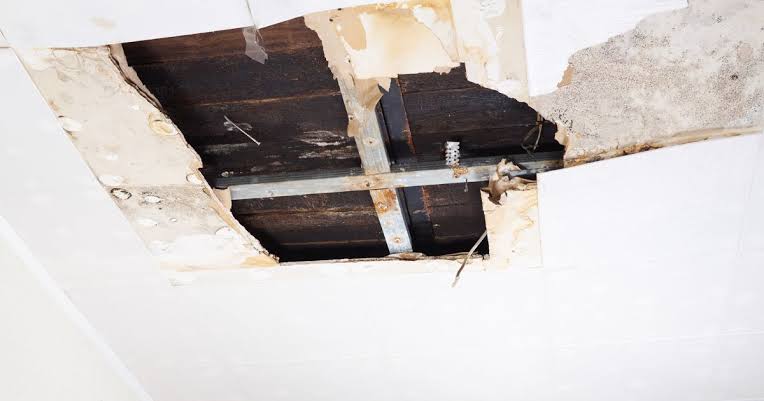
Effective waterproofing and weather protection of the roof and exterior walls, including unbroken windows and doors.
2.
Working Utilities
Plumbing, electricity, and gas facilities maintained in good working order.
3.
Water & Sewage
Hot and cold running water and adequate sewage and garbage disposal systems.
4.
Heating
Sufficient heating facilities maintained in good working order.
5.
Safe Electrical Systems
Electrical lighting, wiring, and equipment maintained in good working order.
6.
Safe Floors & Stairs
Floors, stairways, and railings maintained in good repair.
Additional Requirements
- Adequate garbage containers maintained in clean and usable condition
- Building and grounds free from trash, rubbish, rodents, cockroaches, and other pests
- A working toilet, washbasin, bathtub, or shower
- An operable deadbolt lock on the main entrance door
COMMON HABITABILITY PROBLEMS
Conditions That May Make a Rental Unsafe
Untenantable Conditions
Serious conditions that interfere with the safe and sanitary use of a rental home may support a habitability claim.
Dangerous Wiring / Electrical Problems
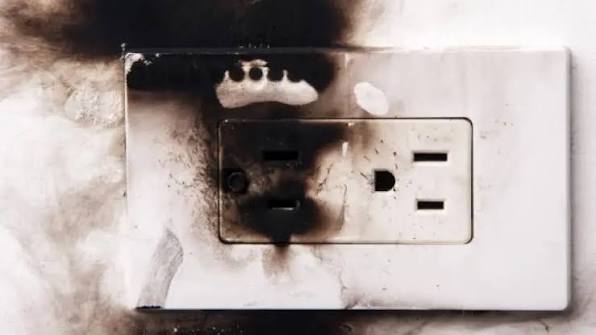
Exposed wiring, broken outlets, electrical failures, or other unsafe electrical conditions may create serious hazards.
Improper Plumbing
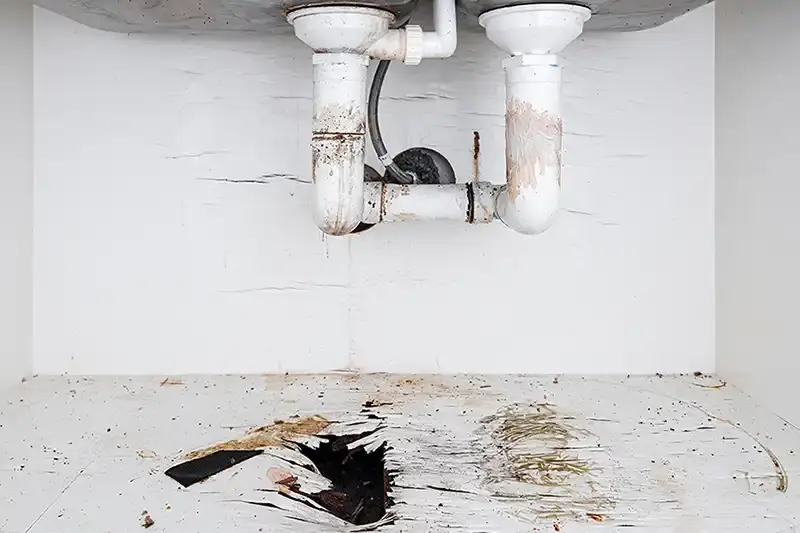
Leaks, broken plumbing, sewage problems, lack of running water, or other plumbing failures can make a rental unsafe or unsanitary.
Rodents and Vermin
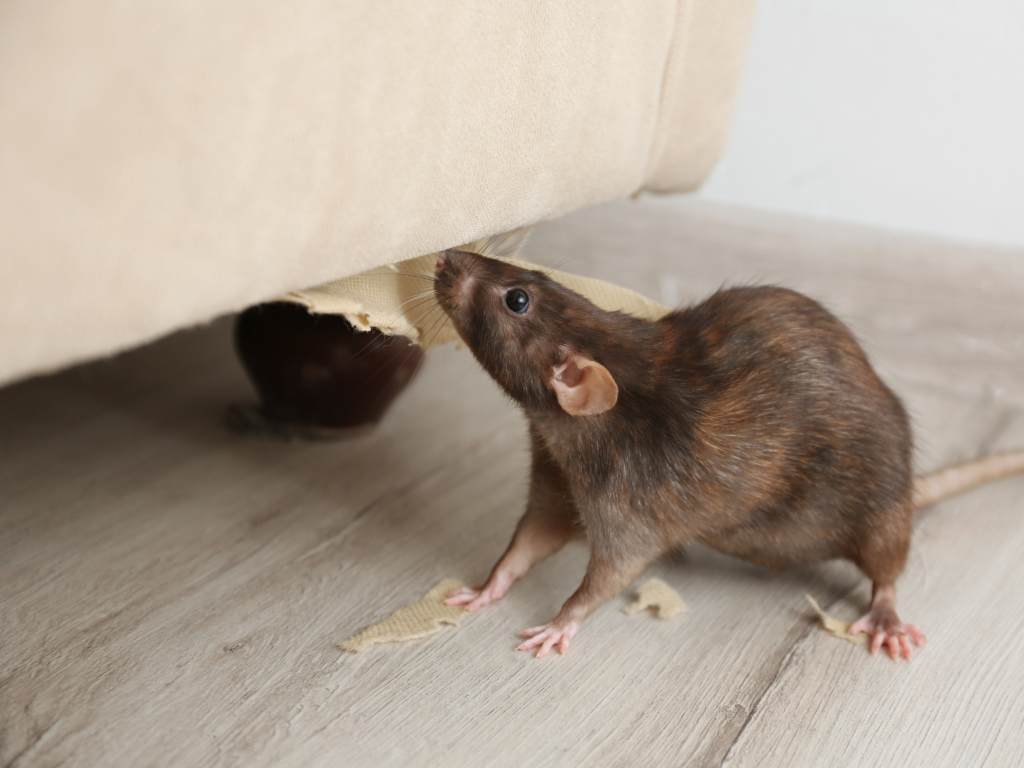
Cockroaches, bed bugs, rodents, and other pests can create serious sanitation and health concerns when infestations are not properly addressed.
KEEP RECORDS OF YOUR LOSSES
Document What the Condition Has Cost You
If food, clothing, furniture, or other personal property must be discarded because of pests, contamination, leaks, or other habitability problems
- Make a written list of the items
- Photograph the damaged or contaminated property
- Photograph discarded items when appropriate
- Keep receipts for damaged items when available
- Keep receipts for replacement purchases
- Preserve communications with the landlord or management company
Steps to Protect Yourself and Document the Problem
1.
Complain in Writing
Notify your landlord, property manager, or management company in writing. Include your name, address, date, and a clear description of the problem.
Keep a copy for your records.
2.
Follow Up
If the problem is not corrected within a reasonable time, send a second written complaint. Refer to your first notice and consider sending the follow-up by certified mail with return receipt requested.
Written complaints are generally easier to prove than telephone or in-person conversations.
3.
Allow Reasonable Repairs
If the landlord contacts you to inspect or repair the problem, cooperate and provide reasonable access so the repairs can be made.
04.
Take Photos and Videos
Document the problems thoroughly. Photograph leaks, holes, pests, damaged walls, furniture, cabinets, clothing, and any other affected areas.
Videos can be especially useful when documenting active leaks, pests, or changing conditions.
05.
Show the Size and Severity
Use a ruler or another reference object in photographs when helpful to show the size of holes, cracks, leaks, infestations, or other defects.
06.
Preserve Evidence
If pests are involved, preserve evidence when reasonably possible. Keep photographs, videos, communications, receipts, and other documentation relating to the condition.
Do you need help?
Let Lena Law handle the insurance companies and guide your case from beginning to conclusion while you concentrate on recovering from your injuries.