
Personal Injury

What Is A Personal Injury?
Personal injury claims allow an accident victim (the claimant or plaintiff) who suffers an injury, loss or damage, caused by another person, to seek compensation for their injuries and damages from the wrong-doer (the responsible party or defendant.) In other words, if someone is injured due to the fault of another, they may be entitled to compensation.
Personal injury cases include any kind of accident such as car crashes, truck, bus/public transportation accidents, bicycle, motorcycle, or pedestrian accidents, wrongful death cases, slip, trip and fall accidents, other premises liability cases, dog bites and any situation where a personal injury resulted due to the wrongful conduct of another person. These claims, under the law, are based on the theory of negligence which is the principal factor to determine fault and accountability.
Understanding Negligence in a Personal Injury Case
Negligence occurs when someone fails to act with the level of reasonable care that a prudent person would exercise under similar circumstances, causing harm or loss to another person.
To establish negligence, a claimant or plaintiff generally must prove four key elements:
Duty. Breach. Causation. Damages.
Four Elements of Negligence
Understanding these four elements is an important part of determining whether another person or business may be legally responsible for an injury.
1. Duty
The defendant must have owed the injured person a legal duty of care.
Examples include:
- Drivers must obey traffic laws and operate their vehicles safely.
- Property and business owners must take reasonable steps to inspect, maintain, and repair their premises and warn visitors about dangerous conditions.
2. Breach of Duty
A breach occurs when someone fails to act as a reasonably prudent person would under similar circumstances.
Examples include:
- A driver rear-ends a vehicle stopped at a red light because they failed to stop in time.
- A store allows a spill to remain on the floor without cleaning it or providing a warning, and a customer slips and falls.
3. Causation
The injured person must show that the defendant’s conduct caused or contributed to the injury.
For example, if a distracted driver runs a red light and strikes a pedestrian, the driver’s conduct may be directly connected to the pedestrian’s injuries.
Causation also considers whether the resulting harm was a reasonably foreseeable consequence of the defendant’s actions.
4. Damages
The injured person must have suffered an actual injury or loss.
DUTY
A Legal Responsibility
A duty of care may arise when the law recognizes a relationship that requires one person to exercise reasonable care toward another.
BREACH
Failure to Use Reasonable Care
A breach occurs when someone fails to act as a reasonably prudent person would under similar circumstances.
CAUSATION
Connecting Conduct to Injury
The injured person must show that the defendant’s breach of duty caused or contributed to the injuries or losses suffered.
What Is a Duty of Care?
A duty of care requires people and businesses to act reasonably to avoid causing foreseeable harm to others.
For example, drivers must follow traffic laws and operate their vehicles safely. Property and business owners must also take reasonable steps to inspect, maintain, and repair their premises and warn visitors about dangerous conditions.
Examples
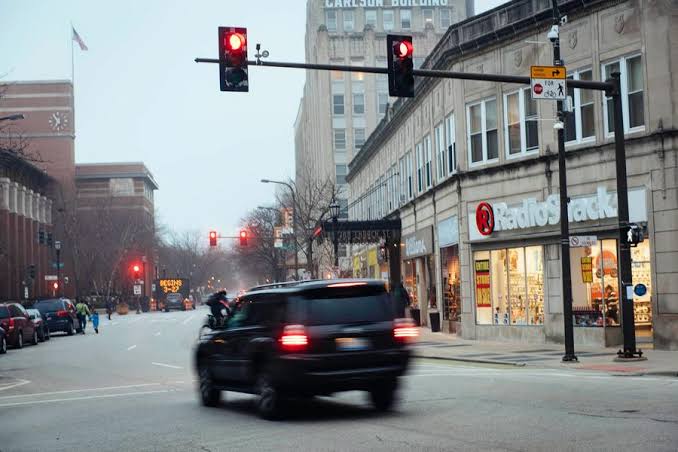
- Drivers must stop at red lights and travel at a reasonable and prudent speed that does not endanger people or property.
- Property owners may be required to inspect their premises, correct dangerous conditions within a reasonable time, and provide adequate warnings.
California Vehicle Code Sections 21453 and 22350.
Protecting Your Claim
Evidence can be important in proving negligence. Depending on the accident, this may include:
- Photographs and videos
- Witness information
- Police or incident reports
- Medical records
- Surveillance footage
- Property or vehicle damage
- Other documents showing what happened and the losses suffered
Economic Damages
Financial losses that can usually be documented, including medical expenses, property damage, lost wages, loss of earning capacity, and other accident-related costs.
Non-Economic Damages
Compensation for personal losses such as pain and suffering, emotional distress, loss of enjoyment of life, and loss of consortium.
Punitive Damages
In certain cases involving particularly harmful or egregious conduct, punitive damages may be awarded to punish wrongful behavior and discourage similar conduct.
Do you need help?
Let Lena Law handle the insurance companies and guide your case from beginning to conclusion while you concentrate on recovering from your injuries.